Communal Area Cleaning in Clapham
If you manage, own, or live in a shared building, communal area cleaning in Clapham is one of those services that makes an immediate difference to everyday life. Hallways feel brighter, stairwells smell fresher, entrance areas look cared for, and residents or visitors get a better first impression the moment they step inside. In a busy part of South West London like Clapham, where apartment blocks, converted houses, purpose-built estates, mixed-use buildings, and managed developments all sit alongside one another, keeping shared spaces consistently clean is not just a nice extra — it is part of looking after the whole property.
Whether you are a resident looking for a reliable cleaning schedule, a landlord wanting to protect a rental investment, a property manager responsible for several addresses, or a managing agent balancing complaints and upkeep, a local cleaning team can help keep the building orderly and presentable. Shared spaces naturally collect dirt faster than private homes: dust settles along skirting boards, fingerprints appear on doors, bins need attention, lift buttons need regular wiping, and stairwells collect everyday debris from foot traffic and pets. A well-planned cleaning routine helps manage all of that before it becomes a bigger issue.
Clapham has its own practical challenges too. Many buildings are tucked along residential streets with limited parking, some blocks have narrow internal access, and older properties can have awkward layouts, communal porches, and high-traffic hallways that require extra care. A local service understands those realities and can work around them with minimal disruption. If you are looking for a dependable solution that feels straightforward and tailored to shared property needs, this page explains what is included, how the service works, and why choosing a local team matters.
Why communal cleaning matters in shared Clapham properties

Shared buildings are judged very quickly. Residents notice when an entrance is dusty, when a staircase has not been swept, or when glass doors show fingerprints for days. Visitors notice it too. In a local area as active and varied as Clapham, where people are moving in and out of flats, offices, studios, and converted homes throughout the day, communal spaces need regular attention to stay presentable. Cleaning is not only about appearance; it also supports hygiene, comfort, and the long-term condition of the property.
In many buildings, the communal area is the first part of the property to show wear. Shoes bring in grit and moisture, bins can create odours, parcel deliveries leave packaging debris, and dust gathers in corners where people rarely stop to look. If these things are left unchecked, they can quickly make a building feel neglected. That can affect resident satisfaction, tenant retention, and even how potential buyers or renters perceive the property when they arrive for a viewing.
A thoughtful cleaning plan helps keep on top of these everyday issues before they build up. For many Clapham properties, especially those with multiple households using the same entrance, regular shared area cleaning helps create a calmer, cleaner environment that supports better living standards for everyone in the building.
What makes local service useful in Clapham?
Local knowledge matters. Clapham includes a mix of busy roads, quieter side streets, terraced conversions, mansion blocks, modern developments, and commercial premises. A nearby cleaning team is better placed to work around the practical details that come with the area: restricted parking, controlled entry systems, residents’ access times, and blocks where cleaning needs to be coordinated with concierge staff, caretakers, or building managers. That kind of flexibility is often what turns a service from “fine” into genuinely helpful.
Areas and property types we support
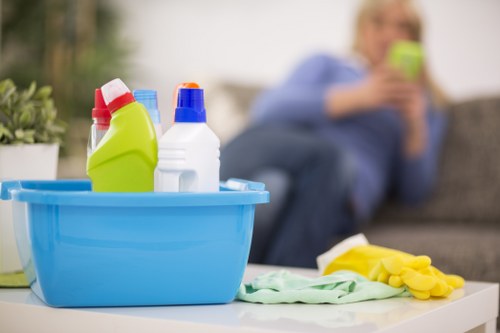
Communal cleaning in Clapham is rarely one-size-fits-all. Buildings vary a lot in layout, footfall, and usage, so the service should reflect that. Some properties need a simple weekly sweep and mop of shared corridors, while others require a more detailed routine that includes stairwells, glass cleaning, lift care, bin-area tidying, and regular sanitising of high-touch points. The right plan depends on how your building is used and what residents or occupants expect.
Typical property types in and around Clapham include purpose-built flats, converted Victorian and Edwardian houses, managed apartment buildings, mixed-use developments, office premises, small commercial units, and housing estates. Each of these brings different cleaning challenges. A converted townhouse may have narrow stairs and landings with delicate finishes. A modern apartment block may have lifts, polished surfaces, mail areas, and secure entry systems. A mixed-use building may need shared spaces kept clean for both residents and business tenants.
We can help with communal cleaning across Clapham and nearby neighbourhoods such as Clapham Common, Clapham North, Clapham South, and neighbouring parts of Battersea, Stockwell, Brixton, and Wandsworth. If your property is just off a busy road or set back from it, a local team can still plan visits that fit around access, deliveries, and resident routines.
Examples of spaces commonly cleaned
- Shared hallways and entrances
- Staircases and landings
- Lift interiors and lift lobbies
- Communal doors, handles, and switches
- Bin stores and refuse areas
- Shared lounges or reception spaces
- Internal windows and glazed panels
- Postbox areas and parcel spaces
- External access points where applicable
What is included in communal area cleaning?

A reliable communal cleaning service should make the building feel looked after without being intrusive. The exact tasks can be arranged around the needs of the property, but most regular visits focus on visible cleanliness, hygiene, and the removal of everyday dirt and clutter. If you are arranging communal area cleaning in Clapham for the first time, it helps to know what is usually covered so you can compare services more confidently.
Common cleaning tasks include sweeping, vacuuming, mopping, dusting surfaces, wiping down handrails, cleaning skirting boards, removing marks from walls where possible, and keeping high-contact points fresh. In buildings with lifts, the cabin, buttons, mirrors, and door edges may also need regular care. For blocks with entrance glazing or internal glass features, fingerprints and smudges often need frequent attention because they are one of the first things people notice.
Bin stores and waste areas are another important part of the service, especially in larger properties. These spaces can become unpleasant quickly if they are not monitored. Regular cleaning helps reduce odours, manage spills, and improve the overall feel of the building. In some properties, the service may also include the tidying of noticeboard areas, clearing minor litter, and making sure the entrance looks presentable before residents return home from work or school.
Service elements often included
- Regular sweeping and vacuuming of common walkways
- Mopping of hard floors and entrances
- Dusting reachable surfaces and fittings
- Cleaning handrails, switches, and door handles
- Wiping visible marks from doors and panels
- Cleaning lifts and nearby waiting areas
- Tidying bin areas and removing light litter where appropriate
- Maintaining a neat, professional appearance throughout the building
Important note: every building is different, so the cleaning specification should be set around your property rather than forced into a generic schedule. That way, the service remains practical, efficient, and suited to the amount of use the communal areas receive.
How the service works

Booking a local communal cleaning service should feel simple, especially if you are already juggling resident enquiries, maintenance tasks, or property management responsibilities. A good process starts with understanding the building, how many people use it, and what areas need regular attention. From there, a cleaning plan can be built around frequency, priorities, and access arrangements.
For many Clapham customers, the first step is a conversation about the building layout and current condition. This might include details such as the number of floors, whether there is a lift, if there is a bin store, whether access is via key fob or code, and how often the area typically gets dirty. Once the needs are clear, the service can be scheduled at a frequency that suits the property — for example, weekly, twice weekly, or more frequently for high-footfall buildings.
After that, the routine becomes straightforward. The cleaner arrives at the agreed time, follows the set specification, completes the tasks efficiently, and leaves the communal spaces in a tidy condition. For managed properties, this kind of consistency is especially helpful because residents tend to notice when common areas are looked after regularly. It reduces complaints and gives everyone a better shared environment to live or work in.
Typical service process
- Initial discussion about the building and cleaning needs
- Review of access arrangements, priorities, and frequency
- Agreed cleaning specification for communal spaces
- Regular visits carried out to the agreed standard
- Ongoing adjustments if the building usage changes
For landlords and managing agents
If you are responsible for several addresses or a larger block, reliable communal cleaning can make day-to-day management easier. It helps keep standards consistent, supports tenant satisfaction, and protects shared areas from avoidable build-up. It can also be useful when properties are let out to multiple households, because well-maintained common areas often reduce friction between occupants.
Why choose a local Clapham cleaning company?

There is a clear advantage to choosing a cleaning team that works locally. Clapham is busy, well connected, and varied in housing style, which means practical knowledge matters. A local team is more likely to understand parking restrictions, peak traffic times, common access challenges, and the pace of life in nearby streets. That can make appointments smoother and help keep cleaning visits predictable.
Local providers are also often better at responding to the specific needs of residential and commercial customers in the area. A small apartment block near Clapham High Street may need a different approach from a quieter estate road close to Clapham Common. A commercial premises near transport routes might need early-morning attention so the area is clean before staff or clients arrive. Local experience helps shape a more useful cleaning routine.
Another benefit is familiarity with the kind of buildings found in the area. Clapham includes older conversions with narrow staircases, contemporary developments with polished communal spaces, and mixed-use properties that need both regular upkeep and respectful working practices. A local cleaner who is used to these layouts can work more efficiently and cause less disruption to residents and occupants.
What local customers often value most
- Familiarity with Clapham’s streets, access points, and parking realities
- Practical scheduling that suits residents and building managers
- Experience with both residential blocks and commercial shared areas
- A straightforward service that focuses on reliable standards
- Flexible cleaning routines based on actual property use
For local property owners and managers, this kind of practical support can save time and reduce stress. When communal cleaning is handled consistently, fewer small problems turn into bigger complaints.
Benefits of regular communal cleaning
Regular cleaning of shared areas does much more than improve appearance. It helps protect the building, supports better hygiene, and contributes to a more pleasant living or working environment. In a busy neighbourhood like Clapham, where residents and visitors come and go throughout the week, those benefits quickly become noticeable.
First, there is the obvious visual improvement. A clean entrance, clear stairwell, and well-kept hallway create an immediate sense of order. That matters for residents returning home after a long day, but it also matters for anyone viewing a flat, office, or managed unit. People tend to judge a building partly by how the communal spaces feel, so keeping them tidy can influence the overall impression of the property.
Second, regular cleaning supports hygiene. High-touch points such as railings, handles, buttons, and shared doors can collect grime quickly. Waste areas need attention to reduce odours and mess. Floors need to be kept clear of grit, especially in wet weather when people bring in moisture from outside. Cleaner communal spaces simply feel better to use and help lower the sense of neglect that can develop in shared buildings.
Other practical advantages
- Helps preserve flooring, glass, paintwork, and fittings
- Reduces the spread of visible dirt in high-traffic areas
- Supports resident satisfaction and building pride
- Makes inspections and property visits easier
- Improves the experience for tenants, owners, and visitors alike
For buildings with a resident committee, managing agent, or landlord oversight, a proper cleaning arrangement also makes maintenance easier to coordinate. When cleaning is routine, minor issues are more likely to be spotted early, such as a spill, a damaged light fitting, or a problem in a waste area.
Access, parking, and local logistics in Clapham
Anyone who has arranged work in Clapham knows that access can be one of the biggest practical considerations. Streets can be busy, parking can be limited, and some buildings have only narrow entrances or shared entry systems. These issues are normal in a built-up London area, but they still need to be planned for to make communal cleaning run smoothly.
A local team can help manage these details sensibly. If a building has restricted access times, the service can be scheduled to avoid disruption. If there is controlled entry, arrangements can be made in advance so the cleaner can get in without disturbing residents. If parking is limited, that can be accounted for when setting the appointment, reducing delays and making the visit more efficient.
This is especially helpful for older mansion blocks, converted properties, and estate-style developments where shared areas are tucked behind gates, down side passages, or across internal courtyards. A practical approach matters because the service is not only about cleaning; it is about doing the job efficiently in the real conditions of the property.
Local considerations that can affect scheduling
- Restricted parking near the property
- Controlled entry or key-fob systems
- Narrow staircases or awkward communal layouts
- Busy resident footfall during morning and evening hours
- Coordination with caretakers, property managers, or concierge staff
Preparation checklist for residents and property managers
Most communal cleaning services are designed to be low-hassle, but a little preparation can make the visit smoother. This is especially useful for properties where access is shared by several residents or where cleaning needs to work around security arrangements. A simple checklist can help everyone know what to expect and avoid unnecessary interruptions.
Before the cleaning visit, it is helpful to make sure the cleaner can access the areas that need attention. If the building uses fobs, keys, codes, or a locked entry, these should be arranged in advance. If any residents have special requests about timing, those should be shared early so the routine can be planned properly. If the bin store or storage areas need extra focus, it is useful to highlight that before the visit rather than afterwards.
For residents, the main preparation is usually small and practical: keep shared corridors clear of personal items, bicycles, prams, or deliveries where possible. This allows floors and skirting areas to be cleaned properly and reduces the risk of items being moved or missed. For property managers, it helps to keep a note of priorities so the service stays aligned with the building’s needs.
Quick checklist
- Confirm access arrangements
- Share any areas requiring extra attention
- Keep shared walkways free of personal belongings where possible
- Notify relevant residents of the cleaning schedule
- Review the building’s cleaning needs regularly
Tip: if the building has seasonal issues such as wet shoes in winter or more litter in summer, it can help to adjust the routine accordingly.
Pricing factors for communal cleaning
It is natural to want a clear idea of cost, but communal cleaning pricing usually depends on several practical factors rather than a flat figure. Because every property is different, a tailored quote is often the most accurate way to understand what is needed. This is especially true in Clapham, where buildings can vary widely in size, layout, and level of use.
Factors that can influence the quote include the size of the building, the number of floors, the frequency of cleaning, the tasks included, and any specific access or security requirements. A small block with a simple entrance may be straightforward to maintain, while a larger building with lifts, multiple staircases, and bin stores will naturally require more time and attention. If the site has heavier foot traffic, the schedule may also need to be adjusted to keep standards consistent.
Rather than focusing on a one-size-fits-all price, it is better to think in terms of value and suitability. The right service should fit the property’s actual needs, prevent build-up, and support a better environment for everyone using the building. If you are comparing options, ask what is included, how often the service will take place, and whether the cleaning plan can be adapted to your building as needs change.
Common factors that affect pricing
- Property size and number of communal areas
- Frequency of visits
- Level of cleaning required
- Need for lift, glass, or bin area cleaning
- Access arrangements and time on site
- Special requirements for residential or commercial use
Residential and commercial communal spaces
Communal cleaning is not only for apartment blocks. In Clapham, many customers need shared areas cleaned in spaces that serve both residential and business use. Offices, studios, clinics, co-working spaces, and mixed-use buildings all have reception areas, corridors, staircases, and wash areas that benefit from regular care. The principles are the same: keep shared spaces tidy, hygienic, and professional-looking.
For residential customers, the main priority is usually comfort and consistency. People want halls and stairs that feel cared for, with no lingering dust or dirty marks. For commercial customers, the emphasis may be more on presentation and practicality. Staff, clients, or visitors should arrive to clean, usable spaces that reflect well on the premises. A reliable communal cleaning plan can support both needs without overcomplicating things.
Because every building has different patterns of use, the service should be flexible. A quiet residential block and a busy shared workspace will not need the same routine. That is why local cleaning support is so useful: it can be shaped around actual use rather than guessed in advance.
Common customer types
- Flat owners and leaseholders
- Landlords with one or more rental properties
- Managing agents and block managers
- Resident associations and committees
- Commercial property owners and occupiers
FAQs about communal area cleaning in Clapham
How often should communal areas be cleaned?
The right frequency depends on the size of the building and how many people use it. Busy blocks may need cleaning more than once a week, while smaller or quieter properties may only need regular weekly visits. The aim is to stop dirt building up and keep the area presentable at all times.
Can the service be tailored to our building?
Yes. That is usually the best approach. Some properties need bin area attention and lift cleaning, while others need more focus on stairwells, windows, or entrance floors. A tailored routine is much more effective than a generic one.
Do you clean both residential and commercial communal spaces?
Yes, many shared buildings in Clapham have a mix of uses. The cleaning routine can be adapted for apartment blocks, offices, mixed-use developments, and other shared premises.
What if our building has awkward access or limited parking?
That is common in Clapham and can usually be planned for in advance. A local team can work around access instructions, parking limitations, and timing needs to keep the visit efficient.
What should residents do before a cleaning visit?
Ideally, keep shared walkways as clear as possible and make sure access arrangements are in place. If there are specific areas you want prioritised, share that information beforehand.
How do we request a quote?
If you need a service for your building, the simplest next step is to request a free quote and discuss the layout, cleaning frequency, and tasks required. That allows the service to be built around your property rather than a generic template.
Book your communal cleaning service in Clapham
If your shared building is starting to look tired, if residents have raised concerns about the stairs or entrance, or if you simply want a more reliable cleaning routine, now is a good time to arrange support. Professional communal cleaning helps keep the building welcoming, hygienic, and easier to manage. In a neighbourhood like Clapham, where shared properties are part of everyday life, that consistency can make a real difference.
Whether you need ongoing maintenance for a residential block or a structured cleaning plan for a commercial property, a local team can provide the right level of support. From entrance halls and staircases to lifts, bin areas, and shared glass surfaces, the service can be adapted to your building’s needs. If you are responsible for a property near Clapham Common, Clapham North, Clapham South, or surrounding areas, a tailored cleaning schedule can help keep standards high without creating extra work for you.
Contact us today to discuss your requirements, ask about service frequency, and arrange a quote for your building. Book your service now if you want cleaner shared spaces and a more welcoming property for residents, tenants, staff, and visitors.
Ready when you are
Request a free quote for communal area cleaning in Clapham and get a service plan that fits your property, access needs, and schedule.