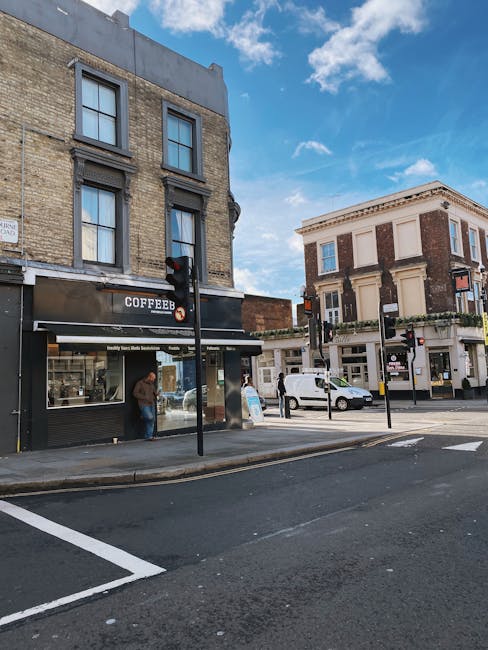
Northcote Road shop cleaning services Clapham
If you run a shop near Northcote Road, you already know the pace of the place. Morning footfall, coffee runs, muddy shoes when the weather turns, and the constant shuffle of stock, baskets, and customers can make a tidy shop look tired fast. That is where Northcote Road shop cleaning services Clapham come in. Good retail cleaning is not just about making things look nice for five minutes. It protects presentation, helps staff work better, and keeps the customer experience feeling calm, fresh, and trustworthy.
In a busy Clapham retail setting, the difference between "clean enough" and properly maintained is often obvious the second someone walks in. Glass fingerprints, dusty shelf edges, grubby skirting boards, dull floors, or a back area that has quietly become a dumping ground all affect how the shop feels. This guide breaks down what professional shop cleaning involves, how it works, what to expect, and how to choose the right approach for your business. If you want a practical, no-nonsense overview, you are in the right place.
Table of Contents
- Why Northcote Road shop cleaning services Clapham Matters
- How Northcote Road shop cleaning services Clapham Works
- Key Benefits and Practical Advantages
- Who This Is For and When It Makes Sense
- Step-by-Step Guidance
- Expert Tips for Better Results
- Common Mistakes to Avoid
- Tools, Resources and Recommendations
- Law, Compliance, Standards, or Best Practice
- Options, Methods, or Comparison Table
- Case Study or Real-World Example
- Practical Checklist
- Conclusion
- Frequently Asked Questions
Why Northcote Road shop cleaning services Clapham Matters
Northcote Road has a proper neighbourhood feel, but it is still a high-visibility retail strip. People notice details there. A clean shop window, polished floor, and well-kept till area can quietly reassure a passer-by that your business is organised and worth stepping into. A dusty, streaky, or slightly stale-looking shop does the opposite. It is a small thing, really, but it has a big effect.
Retail cleaning matters for more than appearances, though. Shops deal with a mix of environmental dirt, customer traffic, product handling, packaging waste, and all the hidden grime that builds up in corners and high-touch zones. In the morning, it might be a bit of street dust and yesterday's footprints. By late afternoon, it can be sticky marks, crumbs near displays, and marks around entry mats. Truth be told, shops get dirty in a way homes usually do not. Faster, messier, and with fewer chances to ignore it.
For local businesses in Clapham, a professional cleaning schedule also helps with consistency. Staff are busy serving customers, restocking, cashing up, and handling deliveries. Asking them to deep-clean the shop properly between shifts is rarely realistic. A dedicated service gives the place a steady standard rather than the "we'll get to it when we can" approach, which, let's face it, is how things slide.
Expert summary: A well-cleaned retail space does three things at once: improves first impressions, supports daily operations, and reduces the risk of hygiene issues building up in high-touch customer areas.
How Northcote Road shop cleaning services Clapham Works
Retail cleaning usually starts with a walkthrough or a clear brief. The aim is to understand the type of shop, the floor surface, the busiest areas, opening hours, and any special requirements such as fragile displays, food handling, or polished surfaces that need gentle treatment. A small boutique will need a different rhythm from a convenience store, salon, or lifestyle shop. One size does not fit all, and anyone pretending otherwise is probably not listening closely enough.
From there, the cleaning plan is normally built around a few core tasks. These may include floor care, dusting, bin emptying, sanitising contact points, cleaning glass, wiping displays, and refreshing staff or customer-facing areas. For deeper work, the schedule may include periodic tasks such as deep cleaning, window cleaning, and hard floor cleaning. If the shop has rugs, soft seating, or fitted upholstery, specialist treatments can be added too.
Timing matters as much as technique. Many shop owners prefer early morning, after closing, or a split schedule that handles quick touch-ups during trading hours and a more thorough clean out of hours. That way, you get the benefit of a fresh shop without disrupting customers. Some businesses also prefer a one-off reset before a seasonal promotion or a stock launch, which is where one-off cleaning can be useful.
In practical terms, a proper retail clean is about flow. Front-of-house first, customer touchpoints second, back-of-house last. A good cleaner moves logically through the site instead of darting around randomly. There is a method to it, and you can tell when it is missing. The place looks "done" in some areas and oddly untouched in others.
Key Benefits and Practical Advantages
There are obvious benefits and less obvious ones. The obvious one is that the shop looks better. Clean windows, tidy floors, and fresh-smelling interiors make people feel comfortable. But the quieter advantages are often the ones business owners appreciate most.
- Better customer confidence: People trust a business that looks cared for.
- More consistent presentation: Your shop looks ready for trading, not half-managed.
- Reduced wear on surfaces: Dirt and grit can dull floors, scratch finishes, and mark fittings.
- Improved staff morale: Working in a clean space makes everyday tasks less annoying. Simple as that.
- Less last-minute panic: You are not scrambling to clean before a delivery, inspection, or busy weekend.
- Support for brand image: On a street like Northcote Road, small presentation details matter a lot.
There is also a practical operational benefit. Regular retail cleaning can make stock areas easier to manage because dust, packaging debris, and spills do not have time to accumulate. If the premises include specialist surfaces or customer seating, services such as steam carpet cleaning, upholstery cleaning, or curtain cleaning can help keep the whole space looking intentional rather than patched together.
Who This Is For and When It Makes Sense
This kind of service suits a wide range of local businesses, not just obvious retail shops. If the premises are customer-facing, or even partly customer-facing, a structured cleaning plan usually makes sense.
- Independent boutiques
- Gift shops and lifestyle stores
- Clothing and accessories retailers
- Specialist food or drink shops
- Hair, beauty, and wellness businesses with retail fronts
- Studios or service businesses with reception spaces
- Any business that trades on appearance and repeat visits
It also makes sense when the shop has one of these pressure points:
- high footfall and constant door use
- visible dust on shelving or displays
- sticky floors near entrances
- shop windows that lose their shine quickly
- staff who are stretched and cannot spare time for detailed cleaning
- a need for periodic deep cleans after events, refurbishments, or seasonal trading periods
If your shop is attached to another business or shares access areas, then communal area cleaning can also be relevant. It is surprising how often the "shop feel" is influenced by the state of the shared hallway, stairwell, or entrance matting.
Step-by-Step Guidance
If you are booking shop cleaning for the first time, the process is usually straightforward. Still, it helps to know what should happen so you can judge quality properly.
- Identify the problem areas. Start with the things customers notice first: windows, entrance flooring, till area, display units, and any obvious marks.
- List the surfaces and materials. Wood, glass, vinyl, stone, tile, carpet, and metal all need slightly different care.
- Decide the frequency. Daily, weekly, fortnightly, or seasonal. Retail spaces often need a mixed plan rather than one fixed schedule.
- Separate quick tasks from deep tasks. Wiping counters and emptying bins is one thing; restoring floors or removing stubborn stains is another.
- Plan around trading hours. Before opening or after closing usually works best. Nobody wants mops and vacuums competing with customers.
- Include specialist services where needed. For example, oven cleaning may be irrelevant to most shops, but patio cleaning might matter if you have outdoor display or customer space, and window cleaning is often central to a retail frontage.
- Review the result after the first clean. This is the moment to adjust priorities before the routine settles in.
A simple trick: walk into the shop as if you were a customer arriving for the first time in the day. What do your eyes land on? That usually tells you where the cleaning effort should go first. Funny how the brain spots dust faster when it is not your dust.
Expert Tips for Better Results
Here are a few practical things that make a real difference, and not just in theory.
- Keep entrance cleaning non-negotiable. The doorway sets the tone. If the threshold looks grubby, everything else feels less polished.
- Use a mix of daily and periodic cleaning. Daily surface care is essential, but periodic specialist treatment protects the finish of floors, fabrics, and windows.
- Protect high-touch points. Door handles, card terminals, counters, railings, and fitting-room touchpoints need more attention than the average shelf.
- Rotate focus areas. One week may need display dusting to be the priority; another may need floor restoration or stain removal.
- Ask for cleaning that matches your stock. A fashion shop, florist, and food-led retailer will not have the same risk points. Obvious, but it gets overlooked all the time.
- Think about odour as well as dirt. A shop can look clean and still feel stale. If that is happening, pet stain odour removal may not be the service you need, but the principle is the same: lingering smells should be addressed at the source, not masked.
One more thing. If you have polished floors or decorative surfaces, less harsh chemical use can be better than trying to blast everything into submission. Over-cleaning with the wrong product can make a space look dull faster than dust does. Bit annoying, really.
Common Mistakes to Avoid
Most cleaning problems in shops are not dramatic. They are small, repeated oversights that slowly make the place look tired. The good news? They are fixable.
- Only cleaning what is visible from the doorway. Back areas matter too, especially if staff use them all day.
- Ignoring the windows. In retail, glass is part of the display. Smudged windows can quietly kill curb appeal.
- Using one routine for everything. A rigid plan often misses the shifting needs of a real trading week.
- Forgetting floor maintenance. Dirt gets trapped, spreads, and scratches finishes if it is left too long.
- Leaving stain removal too late. Fresh spills are easier to treat than old ones. That is just life, unfortunately.
- Overlooking staff areas. Break spaces and stock rooms affect morale and organisation more than people admit.
- Choosing a service without checking insurance and process. If anything goes wrong, that suddenly becomes very important.
It is also common for shop owners to underestimate the time needed for a proper reset. A quick tidy is not the same as a professional clean. Close, but not the same. There is a difference in detail, and the eye can tell.
Tools, Resources and Recommendations
You do not need to become a cleaning expert yourself, but it helps to understand the tools and methods used in shop cleaning so you know what quality looks like.
| Method | Best for | Useful note |
|---|---|---|
| Microfibre dusting and wiping | Shelves, counters, displays, fixtures | Good for regular maintenance and quick presentation work |
| Vacuuming and edge cleaning | Carpeted zones, mats, corners | Helps remove grit before it becomes embedded |
| Mopping or machine floor care | Tile, vinyl, laminate, hard flooring | Should match the surface to avoid dulling or residue |
| Glass and window cleaning | Shopfronts and interior glass | Very important for retail appearance |
| Spot stain treatment | Localised marks on flooring or fabrics | Works best when handled quickly |
| Deep-clean equipment | Heavier cleaning, periodic resets | Useful after busy seasons, fit-outs, or long trading periods |
For businesses with mixed surfaces, services like carpet cleaning, rug cleaning, and sofa cleaning can make a dramatic difference to how fresh the shop feels. If you have fitted seating or display textiles, upholstery cleaning is worth considering as part of a broader maintenance plan.
As a recommendation, keep a simple log of what gets cleaned and when. Nothing fancy. Just enough to spot patterns, build consistency, and avoid the classic "we thought someone else had done that" moment. It happens more than people think.
Law, Compliance, Standards, or Best Practice
Shop cleaning is not just about looking good; it also touches on safety, hygiene, and responsibility. In the UK, businesses are expected to keep their premises reasonably safe and maintained for staff, customers, and visitors. That does not mean every shop must follow a single rigid cleaning model, but it does mean cleanliness and housekeeping should be taken seriously.
Best practice usually includes clear procedures for spill response, safe use of cleaning products, waste handling, and risk awareness around wet floors and trip hazards. If your shop has staff handling cleaning tasks themselves, it is sensible to make sure they understand the products they use and the surfaces they are used on. That is where documented processes, simple training, and practical common sense make a difference.
For businesses that want extra reassurance, it helps to work with a provider that can explain insurance and safety clearly and point you toward their health and safety policy. If you care about responsible operations more broadly, you may also want to review recycling and sustainability and payment and security. These are not glamorous topics, sure, but they matter when you are choosing a long-term service partner.
And if you ever need clarity on service terms, it is always worth checking the provider's terms and conditions before work begins. A little reading now can save a headache later. Not exciting, but useful. Very useful.
Options, Methods, or Comparison Table
Not every shop needs the same cleaning model. In practice, most businesses choose a mix of routine upkeep and periodic specialist care. The table below gives a simple comparison.
| Approach | Best suited to | Strengths | Limitations |
|---|---|---|---|
| Daily light cleaning | Busy shops with constant customer traffic | Keeps the space presentable and manageable | Does not remove built-up grime on its own |
| Weekly scheduled cleaning | Independent retailers and service-led fronts | Balances cost and consistency | May miss high-traffic details between visits |
| One-off deep clean | Seasonal resets, new openings, event prep | Creates a strong visual refresh | Needs follow-up to maintain results |
| Mixed routine plus specialist services | Most Northcote Road shops | Best overall presentation and long-term care | Requires a bit more planning |
For many businesses, the mixed model is the sweet spot. Basic routine cleaning keeps the shop presentable, while periodic specialist work handles carpets, glass, upholstery, or floors that need a deeper reset. It is not overly complicated, and that is exactly why it works.
Case Study or Real-World Example
Picture a small independent shop on Northcote Road. It opens in the morning with a bright frontage, display tables, a counter, a back stock room, and a couple of upholstered stools near the till. By midweek, the entrance mat looks tired, the shop window has fingerprints, dust has settled along the display edges, and the stool fabric has picked up a faint dull patch from daily use.
The owner does not want a disruptive overhaul. They just want the place to feel consistently cared for. So the cleaning plan is adjusted in three layers: a quick opening refresh, a weekly detail clean, and monthly specialist work for the fabric seating and hard flooring. The windows get extra attention before weekends, because footfall is stronger and the street looks livelier then.
After a few weeks, the owner notices something small but important. Staff spend less time tidying random messes during trading hours, and customers seem to drift more naturally into the shop instead of hesitating at the door. Nothing magical happened. The place just felt calmer, cleaner, and more intentional. That is often the real win.
Sometimes that is all a shop needs. Not perfection. Just a steady standard that holds up on a busy street.
Practical Checklist
Use this checklist before booking or refreshing your retail cleaning plan.
- List your highest-traffic areas first
- Note any surfaces that scratch, stain, or dull easily
- Decide whether cleaning is needed before opening, after closing, or both
- Check if windows, floors, and display fittings need specialist care
- Identify customer touchpoints that need regular attention
- Confirm whether staff areas and stock rooms are included
- Ask how spills and stains are handled
- Check that the service is suitable for your shop type
- Review insurance, safety, and service terms
- Plan a follow-up review after the first clean
If you tick most of those boxes, you are already ahead of the game. A surprisingly large number of issues come down to not asking the simple questions early enough.
Get a free quote today and see how much you can save.
Conclusion
Northcote Road is a place where presentation really matters, but in a subtle way. People do not always consciously notice a spotless shop. They just feel more comfortable in it, trust it a little more, and stay longer. That is the power of a well-kept retail space. It works quietly in the background.
With the right approach, Northcote Road shop cleaning services Clapham can do more than tidy up the obvious mess. They can help your shop feel sharper, safer, and easier to run. Start with the front-of-house basics, build a realistic cleaning rhythm, and add specialist support where it actually makes a difference. Keep it consistent, keep it practical, and do not wait until things look rough to act.
And honestly, once a clean routine is in place, everything else tends to feel a bit easier too. A clearer space. A calmer morning. A better first impression. That counts for a lot.
Frequently Asked Questions
What do Northcote Road shop cleaning services Clapham usually include?
They usually cover dusting, floor care, glass cleaning, bin emptying, sanitising high-touch areas, and keeping customer-facing spaces presentable. Depending on the shop, specialist tasks such as deep cleaning or upholstery care may also be included.
How often should a shop near Northcote Road be cleaned?
That depends on footfall and the type of business. Many shops benefit from daily light cleaning with weekly or fortnightly deeper work. Busy customer-facing spaces often need more frequent attention than quieter premises.
Is retail cleaning different from office cleaning?
Yes. Shops usually need more focus on presentation, windows, entrances, displays, and public touchpoints. Offices can be simpler in some ways, while retail cleaning has to balance hygiene with how the space looks to customers.
Can cleaning be done outside trading hours?
Yes, and in many cases that is the best option. Early morning or evening cleaning avoids disruption and lets staff and customers use the space normally during the day.
Do I need specialist cleaning for shop windows?
If your frontage is part of your brand, then yes, it is worth it. Clean windows make a big difference on a busy street like Northcote Road, where people often decide whether to step inside based on what they see from outside.
What if my shop has carpets or rugs?
Then specialist services such as carpet cleaning or rug cleaning can help maintain appearance and remove embedded dirt. Carpeted areas can look tired surprisingly quickly in retail settings.
Can one-off cleaning help before a sale or launch?
Definitely. A one-off reset is often useful before a seasonal event, promotion, refit, or opening week. It can give the whole shop a cleaner, fresher starting point.
How do I know if a cleaning service is trustworthy?
Look for clear communication, sensible cleaning plans, and visible attention to insurance, safety, and service terms. A reliable provider should be able to explain how they work without making everything sound mysterious.
What surfaces need the most attention in a shop?
Usually the entrance area, counter, payment points, display fixtures, windows, and floors. Those are the places customers see first and touch most often, so they set the tone quickly.
Can shop cleaning include back-of-house areas too?
Yes, and it often should. Stock rooms, staff spaces, and storage zones can affect how efficiently the shop runs. If those areas get neglected, clutter and dust build up fast.
Are deep cleans really necessary if I already clean every day?
Usually, yes. Daily cleaning keeps the shop looking good, but deep cleaning tackles the built-up dirt and detail work that regular routines miss. The two work best together.
What should I ask before booking a cleaning service?
Ask what is included, how often the service can run, how they handle specific surfaces, whether they are insured, and what support they offer for stains or specialist cleaning needs. A few plain questions now can save a lot of frustration later.
Finally, if you want a cleaner, calmer, more professional-looking shop on Northcote Road, the next step is simple: get the right plan in place and keep it realistic. That is where the real value lives.