Lambeth Council cleaning rules for Clapham homes: what residents should know
If you live in Clapham, you will know that keeping a home clean is never just about appearances. Bin collections, shared hallways, end-of-tenancy expectations, recycling habits, nuisance smells, and basic neighbourly standards all matter. That is where Lambeth Council cleaning rules for Clapham homes come in. The phrase can sound a bit formal, but in practice it covers the everyday standards and local expectations that help homes stay safe, tidy, and respectful to the wider street or block.
Truth be told, most people only start looking this up when something has gone slightly wrong: a landlord inspection is looming, a flat share has got a bit grim around the edges, or there has been a complaint about rubbish in a communal area. Fair enough. This guide breaks it all down in plain English, with practical steps, common mistakes, and the sort of detail that actually helps in a real Clapham home, not just on paper.
Whether you are a tenant, homeowner, landlord, or managing an estate flat, you will find what the rules usually mean in day-to-day life, how to stay on the right side of local expectations, and when a deeper clean makes sense. And yes, we will keep it human.
Why Lambeth Council cleaning rules for Clapham homes matters
Cleanliness in Clapham is not only about personal comfort. It affects hygiene, pest prevention, fire safety in shared buildings, neighbour relations, and the condition a property is left in when somebody moves out. In a busy London area where flats, maisonettes, and shared houses sit close together, one neglected corridor or overflowing bin store can become everyone's problem very quickly.
For renters, the stakes can be immediate. A landlord or letting agent may inspect the property against the tenancy agreement. If the home is left dirty, costs can be deducted from a deposit where appropriate and where evidence supports it. For homeowners, the issue may be less formal, but the practical outcome is the same: grime builds up, maintenance gets harder, and small jobs turn into bigger ones. We have all seen a kitchen that looked "fine" last month and now, well, not so fine.
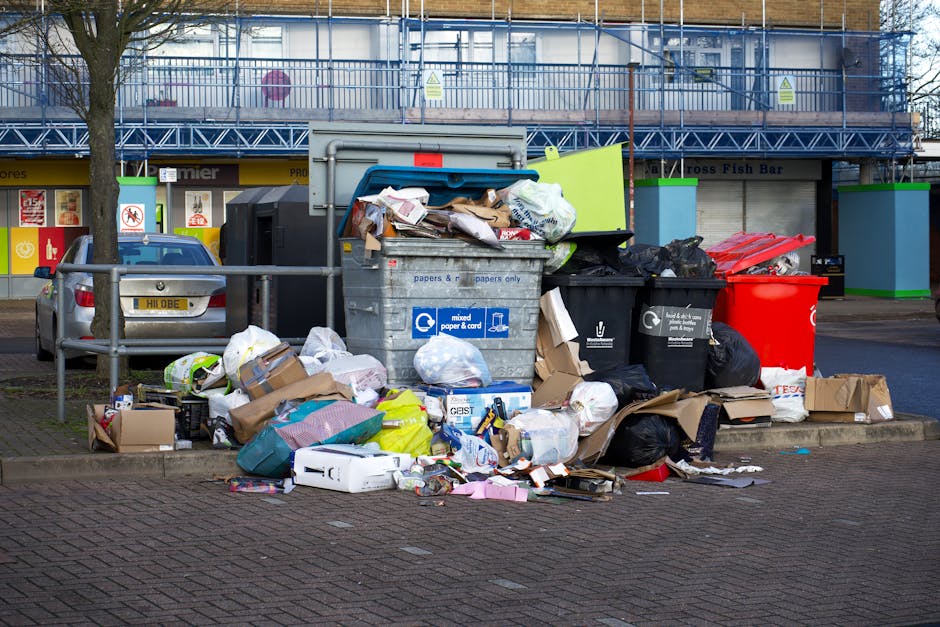
For communal buildings, the council's wider expectations around waste, fly-tipping, litter, and environmental health intersect with resident behaviour. That matters because a clean home often supports a cleaner street, and a cleaner street makes life easier for everyone. Sounds obvious, but it is surprising how often people overlook it until the smell from a neglected bin cupboard hits on a warm afternoon.
There is also a practical side that people sometimes miss: cleaning standards affect time, money, and stress. A decent routine can reduce emergency cleaning costs, make inspections less awkward, and stop that creeping feeling that you need to apologise when someone comes over. Which, let's face it, is a relief.
How Lambeth Council cleaning rules for Clapham homes works
There is no single checklist that covers every Clapham home in exactly the same way. Instead, the "rules" usually sit across a mix of council expectations, environmental health standards, tenancy obligations, waste handling requirements, and common-sense property upkeep. Think of it as a set of overlapping responsibilities rather than one neat document.
In practice, the process tends to work like this:
- Keep the home free from health hazards. That means controlling dirt, mould, food waste, pest attractants, and blocked access points.
- Store and dispose of waste properly. Rubbish should not spill into communal areas or sit long enough to create odours or infestations.
- Maintain shared spaces responsibly. If you use a hallway, landing, bin store, garden, or entrance, your behaviour affects others too.
- Meet your tenancy or lease obligations. Some homes have written standards for cleanliness at move-out or during inspections.
- Act quickly when problems appear. Spills, leaks, pests, and damp get worse if ignored. That part is never glamorous, but it matters.
Depending on the property, you may also need to think about specialist areas such as carpets, upholstery, ovens, bathrooms, or post-renovation dust. For example, a flat above Clapham High Street can collect a surprising amount of fine dust around vents and window ledges, especially if traffic is constant and windows are opened often. The home may look tidy at first glance, yet still fail a proper clean.
If you need a more thorough reset, a targeted service such as deep cleaning can be useful because it deals with buildup that routine cleaning often misses. For move-related cleaning, many households also compare end of tenancy cleaning and move-out cleaning to see which best matches the handover standard.
Key benefits and practical advantages
Following local cleaning expectations properly gives you more than a tidy room. It can make day-to-day life easier in a few very real ways:
- Fewer complaints: Good cleaning habits reduce friction with neighbours, landlords, and managing agents.
- Lower pest risk: Food residue, clutter, and rubbish are the classic triggers for insects and rodents.
- Better air quality: Dust, pet dander, and mould spores build up quietly, especially in older London properties.
- Less last-minute panic: You are not left scrubbing a bathroom at 10pm before an inspection. Been there, regretted that.
- Longer-lasting surfaces: Regular care protects flooring, tiles, worktops, and soft furnishings.
- Stronger deposit position: If you rent, a documented cleaning routine can help show responsible occupation.
There is also the emotional upside, which people sometimes underestimate. A properly clean kitchen feels calmer. A fresh hallway smells different. A bathroom that has had the limescale sorted stops nagging at you every time you walk past it. Small thing? Maybe. But you notice.
For busy households, the biggest advantage is often simply getting life back under control. If the space is getting away from you, a one-off reset such as one-off cleaning or regular cleaning can be a sensible way to keep standards steady without living with the stress of constant catch-up.
Who this is for and when it makes sense
This topic is relevant to more people than you might think. In Clapham, the most common situations include the following:
- Tenants in flats or shared houses: You may need to meet a move-out standard, keep shared spaces presentable, or avoid disputes with housemates.
- Homeowners: Even without a landlord, you still need to manage waste, damp, grime, and upkeep responsibly.
- Landlords and letting agents: Cleanliness affects presentation, safety, and whether a property is ready for the next occupant.
- Households with children or pets: Mud, fur, spills, and food traces can escalate fast, especially in small London homes.
- Residents in estate blocks: Communal areas create extra responsibility because one person's shortcut becomes everyone's headache.
It makes sense to focus on these rules when you are moving in, moving out, preparing for a viewing, dealing with pest prevention, or noticing recurring dirt in the same places. If you are deep into a busy work week and the home is simply slipping, that is a perfectly normal point to pause and reset. No drama. Just reality.
For older properties or those with heavy footfall, related services can also help. carpet cleaning, sofa cleaning, and oven cleaning are especially useful where everyday cleaning cannot fully remove embedded dirt or grease.
Step-by-step guidance
Here is a practical way to approach Lambeth Council cleaning expectations for a Clapham home without overcomplicating it.
1. Start with the visible problem areas
Kitchen counters, sinks, toilets, floors, bin areas, and entryways usually tell the story first. If these are under control, the rest tends to follow. If they are not, the home can feel unmanageable very quickly.
2. Check for anything that creates health or nuisance issues
Look for mould in bathrooms, food spills, overflowing bins, pet odours, damp patches, and blocked ventilation. These are the issues most likely to lead to discomfort or complaints. A faint damp smell by the skirting board can be a clue, not just a nuisance.
3. Clean in the right order
Work from top to bottom and from cleaner areas to dirtier ones. That usually means dusting high surfaces first, then wiping mid-level areas, then vacuuming or mopping last. Otherwise, you end up cleaning the floor twice. Nobody needs that.
4. Treat shared areas carefully
If you live in a building with communal spaces, avoid leaving shoes, rubbish bags, buggies, bikes, or recycling items where they block access. Shared hallways need a bit of discipline, and yes, it can be mildly annoying, but it saves arguments later.
5. Make move-out standards explicit
If you are leaving a rental home, ask what condition is expected. This is where move-in cleaning and move-out preparation can be useful to compare. A property that was spotless when you arrived should usually be returned in a similar state, allowing for fair wear and tear.
6. Document before and after
Take photos if you are a tenant, landlord, or property manager. Keep them simple and dated. If there is a disagreement, you will be glad you did. It is not glamorous, but it is sensible.
7. Bring in specialist help where needed
Some jobs are better left to trained cleaners, especially grease-heavy ovens, stained upholstery, and deep carpet fibres. A proper stain removal approach can save a lot of guesswork, and in some homes, pet stain odour removal is the difference between "lived in" and "let's open the windows immediately."
Practical summary: if a problem is visible, smells bad, spreads to other rooms, or risks a complaint, deal with it quickly. If it keeps returning, the issue is usually routine, not just one bad day.
Expert tips for better results
In our experience, the best cleaning outcomes come from boring consistency, not heroic weekend marathons. A few decent habits beat one enormous clean done once in a blue moon.
- Use a weekly reset: Ten to fifteen minutes per room often prevents deeper build-up.
- Keep cleaning tools together: If everything is in one caddy, you are far more likely to use it.
- Pay attention to touchpoints: Handles, switches, rails, taps, and remote controls collect grime faster than people think.
- Ventilate after showers and cooking: This simple habit helps reduce mould and odours.
- Rotate deep tasks: One week do skirting boards, another week do the fridge, another week do the bathroom limescale.
- Match the method to the surface: Hard floors, carpets, curtains, and upholstery all need different care.
A good local example: in a Clapham flat with two flatmates, the kitchen may look acceptable after a quick wipe-down, but the extractor hood, tiles, and bin area quietly tell a different story. A proper routine solves that. If the home has mixed surfaces, services such as hard floor cleaning, curtain cleaning, and upholstery cleaning can make a noticeable difference without needing a full overhaul.
And do not ignore the outside-linked mess either. Shoes carry in a lot. Patios, balconies, and entry mats can drag dirt indoors faster than you can say "I only popped out for milk." A bit of patio cleaning or doorstep upkeep can genuinely reduce indoor debris.
Common mistakes to avoid
The biggest cleaning mistakes are often the simplest ones. Not dramatic, just costly.
- Leaving rubbish until it smells: This is how pest issues start, especially in warm weather.
- Ignoring shared spaces: Hallways and bin stores are not "someone else's job" if you use them.
- Cleaning the surface only: A shiny sink can hide blocked drains, mildew, or grime under the tap.
- Using the wrong products: Harsh chemicals can damage surfaces or leave residue behind.
- Forgetting soft furnishings: Carpets and sofas trap odours and dust even when the room looks tidy.
- Waiting until move-out week: That is usually when the whole plan becomes stressful.
Another common one: assuming a quick tidy equals a proper clean. It does not. A tidy room can still fail a tenancy inspection, smell stale, or hide dust behind furniture. The difference is sometimes only obvious once daylight hits the room at 8am and reveals everything. Annoying, but true.
Tools, resources and recommendations
You do not need fancy equipment to stay on top of Lambeth Council cleaning expectations in Clapham. But the right basics do help. A sensible kit might include:
- microfibre cloths for dust and surface cleaning
- a vacuum with attachments for corners, skirting, and upholstery edges
- a mop suited to your floor type
- non-abrasive bathroom and kitchen cleaners
- rubber gloves for heavier jobs
- storage boxes or caddies for clutter control
- bin liners that fit properly, so rubbish does not spill everywhere
For households dealing with larger cleans or recurring dirt, a professional visit can be easier than buying every specialist product under the sun. You may want to compare services such as domestic cleaning, house cleaning, and regular cleaning depending on whether you need maintenance, a reset, or ongoing support.
If you are managing a block or shared residence, communal area cleaning is worth considering because shared spaces need a different rhythm from private homes. That simple distinction gets overlooked far too often.
Law, compliance, standards, or best practice
When people talk about council cleaning rules, they often expect a single local-law style checklist. In reality, the picture is broader. There may be tenancy terms, property management standards, environmental health expectations, and general duties to keep waste and hygiene under control. Depending on the property type, landlords and occupiers may also need to consider repair, damp, mould, and safe access issues.
Best practice is to treat cleanliness as part of wider property care rather than an isolated task. If a home has repeated mould, poor ventilation, damaged surfaces, or rubbish accumulation, a simple clean may not be enough. The underlying cause needs attention too. That is where it becomes sensible to step back and ask: is this really a cleaning issue, or is there a maintenance issue underneath it?
For landlords and managing agents, the best approach is clear standards, written expectations, and routine inspections that are reasonable rather than oppressive. For tenants, the safest habit is to keep records, follow the tenancy agreement, and flag problems early. If a stain or leak appears, report it promptly. If a communal area is not being maintained, document the issue and raise it through the proper channel.
If you are arranging work with a cleaner or contractor, it also helps to check practical matters like insurance and safety, plus terms and conditions and health and safety policy where applicable. That is not red tape for the sake of it; it is basic peace of mind.
Options, methods, or comparison table
Not every cleaning approach suits every Clapham home. Here is a simple comparison to help you choose the right route.
| Method | Best for | Strengths | Limitations |
|---|---|---|---|
| Routine cleaning | Weekly upkeep and visible hygiene | Keeps the home manageable and prevents buildup | May miss deep grime, odours, or embedded dirt |
| One-off clean | Spring refresh or catch-up after a busy period | Good for restoring control quickly | Not a substitute for ongoing maintenance |
| Deep clean | Heavy buildup, inspections, post-party, or move preparation | Targets hidden dirt and neglected areas | Usually takes more time and planning |
| End-of-tenancy clean | Rental handover | Focused on return condition and inspection readiness | Needs close attention to detail |
| Specialist cleaning | Carpets, sofas, ovens, stains, odours, hard floors | Deals with problem areas ordinary cleaning misses | Only covers selected items, not the whole home |
If you are unsure what level you need, ask yourself one simple question: do I need maintenance, recovery, or handover-ready presentation? That usually points you in the right direction. Not perfect logic, maybe, but it works.
Case study or real-world example
Take a typical Clapham two-bedroom flat with one bathroom, an open-plan kitchen, and one shared hallway. The residents work long hours, so the home stays generally tidy but not deeply cleaned. Over time, a few things creep in: a faint smell from the bin cupboard, light grease around the hob, dust on skirting boards, and a patch of grime on the hallway carpet near the front door.
Nothing catastrophic. But enough to make the place feel tired.
They start with a proper reset. The kitchen is degreased, the oven is cleaned, the bathroom limescale is removed, and the carpets are dealt with at the entrance where shoes bring in street dirt. The hallway is tidied so nothing blocks access. Curtains get freshened, and the sofa is cleaned where pet hair and day-to-day dust have settled in. The difference is immediate. The flat smells better, the light feels cleaner, and the residents stop avoiding the kitchen first thing in the morning. That is often the real marker, by the way: when you stop making tiny detours around a room.
This kind of result is why many households combine basic upkeep with occasional specialist support. Services such as steam carpet cleaning, mattress cleaning, or window cleaning can make a bigger practical difference than people expect, especially in compact London homes where every surface seems to pick up something.
Practical Checklist
Use this checklist before inspections, move-outs, or any moment when you want the home back under control:
- Empty all bins and replace liners
- Wipe kitchen counters, hob, splashbacks, and sink
- Clean toilet, bath, shower screen, and taps
- Vacuum carpets and rugs, including edges and corners
- Mop hard floors where suitable
- Dust shelves, skirting boards, radiators, and ledges
- Clear hallways, exits, and communal access points
- Remove food waste and check fridge shelves
- Open windows briefly to refresh stale air
- Check for mould, leaks, or damp patches
- Freshen soft furnishings if they hold odours
- Take quick photos after finishing, just in case
If you are doing this before a tenancy handover, pair it with a final walk-through of the property. Little things like the top of a door frame or the inside of a cupboard can trip people up. Oddly enough, the places nobody notices are the places everyone notices at checkout.
Get a free quote today and see how much you can save.
Conclusion
Lambeth Council cleaning rules for Clapham homes are really about keeping properties safe, hygienic, and considerate to the people who live around them. The details may vary by property type, tenancy, and communal setup, but the core idea stays the same: clean early, clean regularly, and deal with issues before they turn into bigger problems.
If you remember nothing else, remember this: a clean home is easier to maintain than a "catch-up later" home. That is especially true in Clapham, where busy schedules, compact spaces, and shared living can make mess spread quickly. A bit of routine goes a long way. And if the job has got too big, there is nothing weak about getting proper help. Sometimes that is the smartest move of all.
Simple, steady, and done properly. That is usually enough to keep things calm.
Frequently Asked Questions
What do Lambeth Council cleaning rules for Clapham homes actually cover?
They generally cover the standards expected around hygiene, waste disposal, shared areas, and keeping a property free from conditions that could cause nuisance, pests, or health issues. The exact responsibilities may also depend on your tenancy, lease, or building rules.
Do tenants in Clapham have to deep clean before moving out?
Usually, tenants are expected to leave the property in a clean condition and in line with the tenancy agreement. Whether that means a full deep clean depends on the state of the property, the contract wording, and the level of wear and tear. Many renters choose a move-out clean to reduce disputes.
Are communal hallways covered by cleaning expectations?
Yes, in practice they often are. Even if the council is not inspecting your hallway every week, residents still need to avoid leaving rubbish, shoes, bikes, or other items in shared areas where they can block access or create a mess.
What happens if a dirty property leads to pests or odours?
That can become a more serious issue, especially in shared buildings. If food waste, clutter, or poor ventilation attracts pests or creates strong smells, it may lead to complaints, further cleaning requirements, or involvement from property management depending on the situation.
Is regular cleaning better than one-off cleaning?
For most homes, yes. Regular cleaning prevents buildup and makes the property easier to manage. One-off cleaning is helpful when things have slipped, but it works best as part of a longer routine rather than a replacement for it.
How do I know if I need a deep clean?
If the home looks tidy but still feels sticky, smells stale, has visible dust in corners, or has grime that keeps coming back, a deep clean is probably a good idea. It is also sensible before inspections, after building work, or before a tenancy handover.
Can carpets and sofas affect cleaning compliance?
Indirectly, yes. Carpets and upholstery trap dust, pet hair, and odours, so they can make a property feel unclean even when surfaces are wiped down. In rental homes, badly neglected soft furnishings can also cause issues during inspections.
Do landlords have to provide a perfectly clean home?
Landlords are generally expected to provide a property that is safe and in a suitable condition at the start of a tenancy. "Perfect" is not the right word, but the home should be clean, functional, and fit to live in. Expectations may vary depending on the agreement and the property condition at move-in.
What cleaning tasks do people most often forget?
Commonly missed areas include skirting boards, extractor fans, behind appliances, door handles, window tracks, bin stores, and the edges of carpets. These are the little places that quietly collect grime while everyone focuses on the obvious bits.
Should I keep proof of cleaning?
Yes, if you are a tenant, landlord, or property manager. Photos, invoices, and dated notes can help if there is ever a disagreement about the state of the property. It does not need to be elaborate. Simple proof is often enough.
Is professional cleaning worth it for a small Clapham flat?
Often, yes, especially if you are short on time or dealing with stubborn dirt. In smaller homes, one neglected area can affect the whole flat, so a professional clean can be a practical shortcut rather than an unnecessary expense.
What is the best first step if my home has got away from me?
Start with rubbish, kitchen surfaces, and the bathroom. Those three areas usually have the biggest impact on how the home feels. Once the immediate mess is under control, move to floors, soft furnishings, and anything that smells or feels sticky.
If you are trying to bring a Clapham home back to a clean, manageable standard, the main thing is not to overthink it. Start small, stay consistent, and focus on the areas that matter most. The rest tends to fall into place. And if it does not, well, that is what proper help is for.