End of tenancy cleaning Clapham High Street flats
Posted on 02/07/2026
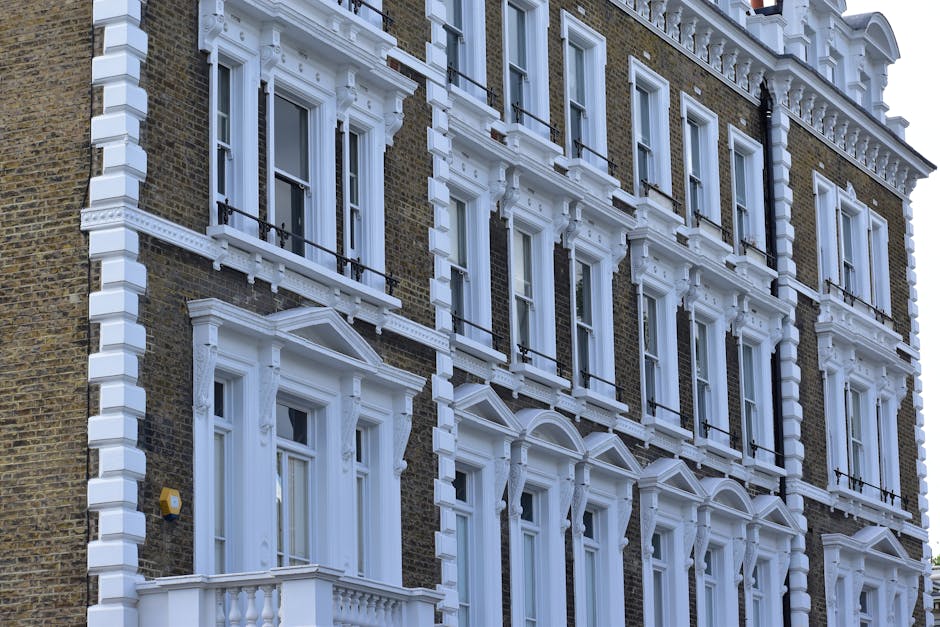
End of tenancy cleaning Clapham High Street flats: a practical guide for a cleaner move-out
If you are moving out of a flat on Clapham High Street, end of tenancy cleaning can feel like one more job in a week full of boxes, key handovers, and last-minute admin. Truth be told, it is often the difference between a calm checkout and a stressful argument over the deposit. End of tenancy cleaning Clapham High Street flats is not just about making the place look tidy; it is about returning the property in a condition that meets expectations, avoids disputes, and gives the next resident a fresh start.
This guide breaks down what the service involves, why it matters in a busy London rental market, how the process usually works, and what to look out for if you want a proper result rather than a rushed surface clean. You will also find a checklist, a comparison table, and a few real-world tips that can save time, money, and a fair bit of faff.
Why end of tenancy cleaning Clapham High Street flats matters
Clapham High Street flats see a lot of turnover. Young professionals move in for convenience, couples upgrade or downsize, sharers come and go, and landlords want the property back on the market quickly. That means the end of a tenancy is rarely a quiet affair. There is usually a moving van outside, a lingering smell of takeaways from the final week, and a surprising amount of dust hiding in plain sight.
The main reason this clean matters is simple: rental properties are expected to be handed back in a condition that reflects fair wear and tear, not avoidable grime. A proper end of tenancy clean helps bridge that gap. It reduces the chance of deductions, improves the odds of a smooth checkout inspection, and makes life easier for everyone involved.
It also matters for the property itself. Kitchens, bathrooms, carpets, and soft furnishings tend to accumulate build-up over time, especially in flats where ventilation can be limited and daily life happens in compact spaces. If you leave grease on extractor fans, limescale in bathrooms, or crumbs under appliances, these little things add up fast.
Practical takeaway: a decent move-out clean is less about making a flat look briefly neat and more about restoring neglected areas to an inspection-ready standard.
For landlords and managing agents, a thorough clean protects presentation and helps the next tenancy begin on the right foot. For tenants, it is often about closing a chapter cleanly. Nobody wants to hand back keys and then get a photo message about oven stains three days later. That kind of back-and-forth is avoidable.
How end of tenancy cleaning Clapham High Street flats works
In practice, end of tenancy cleaning is a systematic top-to-bottom clean carried out after most belongings have been removed. The best results come from working room by room, starting high and finishing low, and paying attention to the kinds of details that are easy to miss when you are tired and in a hurry.
In a typical flat, the service covers the main living spaces, bedrooms, kitchen, bathroom, hallway, storage areas, and often interior windows, skirting boards, sockets, doors, and fixtures. If carpets, upholstery, or curtains need attention, those are often treated separately or added as an extra depending on the property and the state of the materials. For example, a flat with pale carpets and a history of pet traffic will usually benefit from a more targeted approach. If you want to understand how those extras fit into a broader clean, it can help to look at the wider services overview and the more specific carpet cleaning service in Clapham.
What makes this type of cleaning different from a routine domestic clean is the level of detail. A domestic clean keeps things nice; an end of tenancy clean prepares a property for formal inspection. That means wiping inside cupboards, de-greasing splashback areas, descaling taps, polishing chrome, cleaning behind white goods where accessible, and removing built-up marks that everyday cleaning may have missed for months.
The workflow generally looks something like this:
- Remove personal items and bin unwanted clutter.
- Dust and clean top surfaces, fittings, and fixtures.
- Tackle the kitchen in depth, including appliances.
- Deep clean bathrooms, focusing on limescale and hygiene.
- Vacuum and mop floors thoroughly.
- Finish with glass, doors, switches, and visible touchpoints.
- Inspect the flat again with daylight if possible, because odd marks have a habit of appearing at 4pm by the window.
On Clapham High Street, flats often have compact kitchens and efficient layouts, which sounds convenient until you realise every cupboard, extractor fan, and corner is working harder than it would in a larger home. Small spaces reveal missed spots quickly. There is nowhere to hide, really.
Key benefits and practical advantages
There are obvious benefits, and then there are the quieter ones that only show up once you are in the middle of a move. Here are the ones that matter most.
- Better chance of deposit return: a clean flat reduces avoidable disputes about dirt, grease, and neglected surfaces.
- Less stress at checkout: you are not scrambling to clean a hob at 10pm while the moving boxes still need taping up.
- Better presentation for re-letting: clean properties photograph better and feel more welcoming.
- More efficient handover: agents and landlords can inspect faster when the property looks cared for.
- Protection of fittings: removing grime, limescale, and residue helps maintain surfaces over time.
There is also a practical emotional benefit. A proper clean gives closure. That may sound a bit dramatic for a mop and bucket, but moving is oddly sentimental, even in a one-bed flat above the buzz of the High Street. A spotless handover makes the ending feel tidy, which is oddly comforting.
For tenants, it can also prevent the false economy of trying to do everything yourself in a few exhausted hours. If you miss the oven seal, forget the top of a wardrobe, or leave streaks on the bathroom mirror, that can be enough to trigger complaints. Sometimes paying for a professional clean is simply the more sensible move.
For landlords and letting teams, the benefit is consistency. One good standard is easier to manage than arguing over subjective levels of clean every time. That consistency matters, especially when a property needs to be turned around quickly.
Who this is for and when it makes sense
This service is for more people than you might think. Yes, it is most obvious for tenants at the end of a fixed-term lease. But it also makes sense for anyone dealing with a flat that is changing hands, being re-let, or prepared for sale after a tenancy ends.
You may need end of tenancy cleaning if you are:
- a tenant leaving a rented flat on Clapham High Street
- a landlord preparing a property for new occupants
- a letting agent coordinating a quick turnaround
- a house-share moving out in stages and needing the property reset
- a short-let host converting back to longer-term rental use
It is especially useful when the property has features that are easy to overlook: integrated appliances, tiled bathrooms, carpeted bedrooms, glass doors, or awkward corners around fitted furniture. Flats can be deceivingly small, but they often have more detail than a larger house. More surfaces, more touchpoints, more places for grease and dust to settle.
If you are still in the early stage of moving out and trying to work out what other cleaning support you might need, our domestic cleaning service is useful for ongoing upkeep, while house cleaning support can be helpful for larger or multi-room properties. The fit depends on your situation, and sometimes the distinction is more about timing than anything else.
One small reality check: if the flat has been deeply neglected, or if there is damage rather than dirt, cleaning alone will not solve it. Burn marks, chipped paint, mould issues, and broken fittings are not just cleaning tasks. They need a different conversation.
Step-by-step guidance
Here is a sensible, human way to approach the job without making it harder than it needs to be.
1. Start with the tenancy agreement and inventory
Before touching a sponge, read the cleaning clauses and check the inventory or check-in report. This gives you a benchmark. If the flat was handed over with professionally cleaned carpets or spotless appliances, you should know that before you plan your own exit clean.
2. Clear the space properly
Cleaning around boxes is a false economy. Move as much as possible out of the way first. The better the access, the better the result. Even pulling appliances forward a little can reveal sticky residue, dust, and an alarming number of lost crumbs.
3. Work from top to bottom
Dust falls. So does debris. Start high with shelves, tops of doors, light fittings, and picture rails if they exist, then work down to worktops, skirting boards, and floors. This saves you from re-cleaning the same surface twice. Simple, but easy to forget when you are tired.
4. Tackle the kitchen with extra care
The kitchen usually takes the longest. Focus on the oven, hob, extractor, cupboards inside and out, sink, taps, splashbacks, fridge, freezer, and any visible grease around handles or switches. If appliances are staying, make sure they are clean both inside and where they sit. A quick wipe over the front is not enough. Everyone knows that trick.
5. Clean bathrooms for hygiene and shine
Bathrooms need descaling, disinfecting, and careful detailing. Pay attention to shower screens, grout lines, taps, toilets, seals, and any black spots around damp areas. In compact flats, poor ventilation can make bathrooms feel tired quickly, even when they are structurally fine.
6. Finish with floors and final inspection
Vacuum thoroughly, including edges and under furniture where possible. Mop hard floors. If carpets are stained or flattened, consider additional treatment rather than hoping a quick vacuum will disguise the issue. After that, walk through the flat slowly. Open cupboards. Check around taps. Look at window ledges in daylight. This is the bit people skip, and then regret.
Expert tips for better results
There are a few habits that consistently make move-out cleans go smoother. They are not glamorous, but they work.
- Use the natural light. Marks are easier to spot by a window in the morning than under one dim ceiling bulb late at night.
- Don't leave the oven until last. Oven cleaning is time-consuming, and if it needs soaking time, you will want that working in the background.
- Deal with the fridge early. Empty it, defrost it if needed, and give it time to dry.
- Keep a separate microfibre cloth for bathrooms. Cross-contamination is not something anyone wants to think about too much, but it matters.
- Pay attention to touchpoints. Door handles, switches, and cupboard pulls are tiny, but they show use instantly.
If you are cleaning a furnished flat, textiles deserve special care too. Curtains, cushions, and upholstery can absorb smells from cooking, pets, and daily life. For practical advice on delicate fabrics, especially if the flat contains statement pieces or velvet touches, see these notes on washing velvet curtains.
Another tip, and this one sounds obvious until you are halfway through: set a timer for each room. A kitchen can swallow an hour without warning. A timer keeps the job moving and stops you from polishing one shelf while the rest of the flat stays untouched. Been there, regretted it.

Common mistakes to avoid
Most end of tenancy problems come from the same handful of mistakes. Avoid these and you are already ahead.
- Assuming "clean enough" is enough: tenancy handovers are not judged like a friend popping round for tea.
- Leaving hidden areas untouched: behind appliances, under sinks, tops of cupboards, and behind bathroom doors are classic miss zones.
- Using the wrong product on delicate surfaces: harsh chemicals can dull finishes, strip coatings, or leave streaks.
- Forgetting limescale: it is one of the most visible signs that a bathroom was not cleaned deeply.
- Trying to do everything in one exhausted evening: that usually ends in shortcuts and sore shoulders.
- Not documenting the final condition: photos are useful if there is any disagreement later.
There is also a bigger mistake: treating cleaning and damage as the same thing. Cleaning can remove dirt. It cannot repair worn carpets, cracked tiles, or chipped enamel. If something is damaged, be honest about it early. That is almost always better than leaving it to be discovered at checkout.
Tools, resources and recommendations
You do not need a van full of specialist kit to do a solid job, but the right tools help a lot. A practical end of tenancy cleaning setup usually includes:
- microfibre cloths
- a vacuum with attachments
- a mop and bucket
- non-abrasive bathroom cleaner
- de-greasing spray for kitchen surfaces
- glass cleaner
- a grout or limescale treatment suitable for the surface
- rubber gloves
- sponges and scrub pads that will not scratch
- bin bags for clutter and waste
For more formal service planning, a good place to start is pricing and quotes, especially if you are comparing add-ons like carpet or upholstery work. If the flat includes soft furnishings that need a more careful refresh, upholstery cleaning in Clapham can be relevant as part of the wider move-out process.
There is a useful judgement call here. If the place is lightly lived in and you have time, a DIY clean may be enough. If the flat has heavy use, stubborn marks, or strict landlord expectations, a professional service is often the safer route. That is not a glamorous answer, but it is the honest one.
Law, compliance, standards, or best practice
Move-out cleaning sits in a space shaped more by tenancy agreements, inventories, and accepted property standards than by dramatic legal language. In the UK, the exact expectations usually depend on the contract, the condition report, and whether the property was originally professionally cleaned. Because of that, it is wise to treat the inventory as your main reference point rather than guessing based on memory.
The phrase "fair wear and tear" is often part of these conversations. In plain English, it means that normal ageing from living in a property should not be treated like damage. But dirt, grease, and avoidable neglect are different. That distinction matters. A bit of carpet flattening is one thing; a stained hob and a mouldy shower tray are another.
Good practice also includes using cleaning products safely, ventilating rooms where possible, and being careful around fragile materials. If you are hiring a company, it is sensible to check how they handle safety, insurance, and working practices. For transparency on that side of the business, pages like insurance and safety, health and safety policy, and terms and conditions can be helpful. They do not make the cleaning itself better, but they do help set expectations, which is half the battle.
If you are dealing with personal information while handing over keys, bookings, or payment details, it is also sensible to understand how your provider handles privacy and transactions. Small detail, yes, but worth checking. Moving is stressful enough without wondering where your details went.
Options, methods, or comparison table
There is more than one way to handle a move-out clean. The right choice depends on budget, time, and how demanding the inspection is likely to be.
| Approach | Best for | Pros | Limits |
|---|---|---|---|
| DIY end of tenancy clean | Lightly used flats and organised tenants | Lower cost, full control, flexible timing | Time-consuming, easy to miss hidden areas, physically tiring |
| Partial professional clean | Flats needing help with specific problem areas | Targets stubborn jobs like ovens or carpets | Still requires some self-cleaning and coordination |
| Full professional end of tenancy clean | Busy movers, furnished flats, stricter inspections | More consistent standard, less stress, better for complex properties | Higher upfront spend |
For many Clapham High Street flats, a hybrid approach works best. You might handle the light clearing and personal items yourself, then bring in professional support for the deeper work. That balance often saves money without sacrificing inspection quality. It is a sensible compromise, not a cheat.
If you are trying to understand the wider local property context while moving out, the articles on Clapham real estate market trends and property investment wisdom in Clapham give useful background on why presentation matters so much in this area. The market can be unforgiving about details. A clean flat simply stands out better.

Case study or real-world example
Picture a two-bedroom flat just off Clapham High Street. Nothing extreme. The tenants had lived there for just under two years, both working in the city, both busy, both convinced they would have time to clean properly after packing. They did what most of us do. They underestimated the hours.
By the time the furniture was gone, the place looked better already, but the details told a different story: the oven had baked-on residue, the bathroom had limescale around the taps, the skirting boards were dusty, and one bedroom carpet had a dull traffic line near the bed. Nothing shocking. Just enough to catch the eye.
Rather than trying to fight it room by room in one late-night push, they split the job. Personal items came out first. Kitchen surfaces were degreased in stages. The bathroom got a proper soak-and-wipe approach. The carpets were vacuumed slowly with attachments, then treated where needed. The final walk-through happened in daylight the next morning, which made a bigger difference than they expected. Honestly, daylight is ruthless. In a good way.
What changed the outcome was not magic. It was sequence. They cleaned in the right order and left enough time for drying, re-checking, and small corrections. The property felt presentable, the checkout was calm, and the final handover did not turn into a debate about hidden grime. That is usually what you want: boring, smooth, uneventful. Beautifully boring.
Practical checklist
Use this as a last-pass checklist before handing back the keys.
- All personal belongings removed
- Bins emptied and waste cleared
- Kitchen cupboards wiped inside and out
- Oven, hob, and extractor cleaned
- Fridge and freezer cleaned and defrosted if needed
- Bathroom tiles, taps, screen, toilet, and sink cleaned
- Skirting boards, switches, and door handles wiped
- Windows, ledges, and visible glass cleaned
- Floors vacuumed and mopped
- Carpets checked for stains or add-on treatment
- Upholstery and curtains assessed if relevant
- Any marks, damage, or maintenance issues photographed
- Final inspection done in natural light if possible
One more tip: keep your final set of photos together in one folder. If there is a question later, you will thank yourself. Future-you is usually more grateful than current-you expects.
If you are comparing services or trying to decide how much of the work to outsource, the team pages on about us and complaints procedure can also help set expectations around how a service is run and what happens if something does not go as planned.
Conclusion
End of tenancy cleaning Clapham High Street flats is really about finishing well. A good clean protects your deposit, improves your chances of a smooth handover, and leaves the property ready for its next chapter. It also removes a lot of the background stress that comes with moving, which is no small thing when you are juggling transport, keys, paperwork, and general exhaustion.
The best approach is usually the one that matches the flat, the timeline, and the standard expected at checkout. Some moves need a careful DIY clean. Others need professional support for the heavy lifting. Either way, the win comes from detail, timing, and honesty about what the flat actually needs.
Take it room by room, stay realistic, and do not leave the final inspection to chance. A clean handover has a nice quiet dignity to it. You close the door, hand over the keys, and move on properly.
Get a free quote today and see how much you can save.


